印
AI ProductGitHub
Pneumothorax Classification
Computer Vision Engineer
Impact
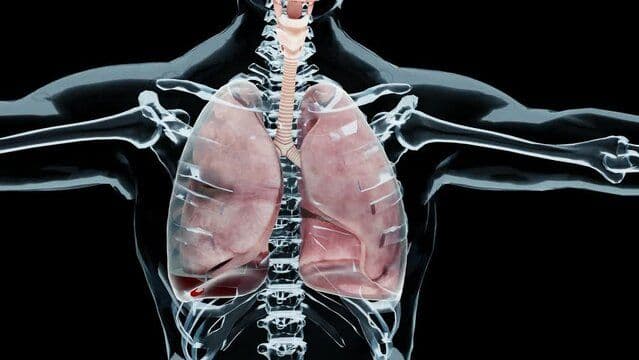
Automated detection of collapsed lungs in Chest X-Rays using EfficientNet-B4.
Overview
The Problem: Critical Seconds in Radiology
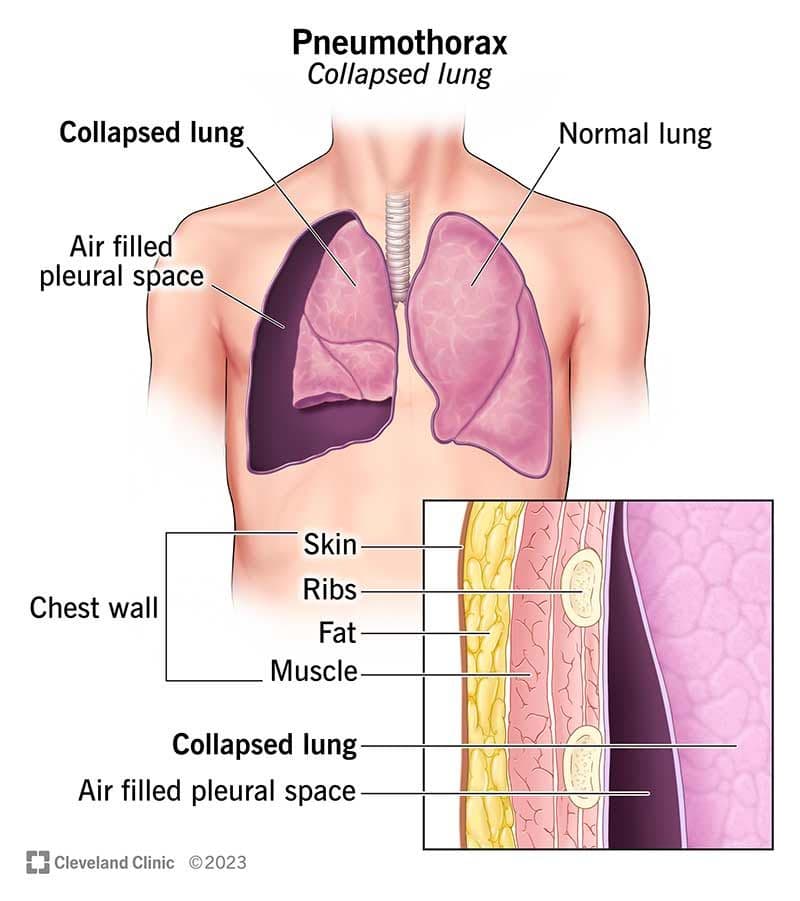
Pneumothorax—a collapsed lung—is a life-threatening condition that requires immediate intervention. In busy emergency rooms, radiologists are under immense pressure, and subtle signs in Chest X-rays can be missed. A delay in diagnosis can be fatal. We needed an automated system to act as a "second opinion," instantly flagging high-risk scans for priority review.
The Solution: Deep Learning at the Edge
We developed a high-performant binary classification model capable of distinguishing between healthy lungs and those with Pneumothorax. By leveraging Transfer Learning, we adapted state-of-the-art vision models to the medical domain, achieving robust accuracy with limited labeled data.
Technical Deep Dive
1. Model Architecture: EfficientNet-B4
We chose EfficientNet-B4 for its superior balance of accuracy and efficiency.
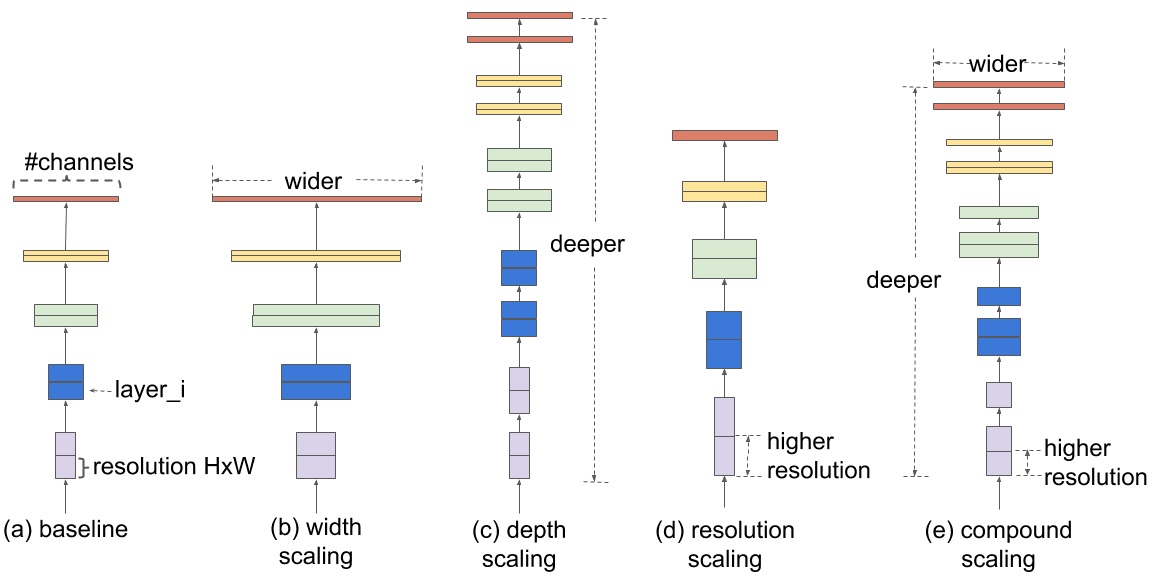
Figure: EfficientNet Architecture
- Pre-training: Trained on ImageNet-1k at a resolution of 380x380.
- Compound Scaling: Unlike traditional ConvNets that scale depth, width, or resolution arbitrarily, EfficientNet proposes a compound coefficient to uniformly scale all dimensions. This results in a "mobile-friendly" pure convolutional model that punches far above its weight class.
- Backbone:
timm/tf_efficientnet_b4.ns_jft_in1k
2. Custom Classification Head
The original ImageNet classifier isn't suitable for binary medical diagnosis. We engineered a custom head:
Dropout(0.25): For regularization.Linearprojection: Maps features to 512 dimensions.BatchNorm1d&ReLU- Final
Linearlayer: Outputs the probability of Pneumothorax presence.
3. The Training Engine: PyTorch Lightning
We strictly adhered to MLOps principles using PyTorch Lightning to decouple engineering from research code.
- Mixed Precision (16-mixed): Accelerated training speed and reduced memory usage without sacrificing convergence.
- Smart Scheduling: Implemented
ReduceLROnPlateauto dynamically adjust the learning rate when validation loss plateaus. - Early Stopping: Automatically halts training when the model stops improving, preventing overfitting.
4. Evaluation Metrics
In medical diagnosis, accuracy isn't enough. We optimized for a comprehensive metric suite:
- BinaryF1Score: To balance precision and recall.
- BinaryPrecision & Recall: ensuring we minimize false negatives (critical errors).
Stack
- Framework: PyTorch, PyTorch Lightning
- Models: timm (EfficientNet), torchvision
- Optimization: AdamW, OneCycleLR
- Logging: TensorBoard
Computer VisionPyTorch LightningMedical AIEfficientNet
Gallery Overview
Siwarat Laoprom © 2026